
How to Care for Indoor Plants for Beginners: A Guide for Indoor Plant Care for Beginners
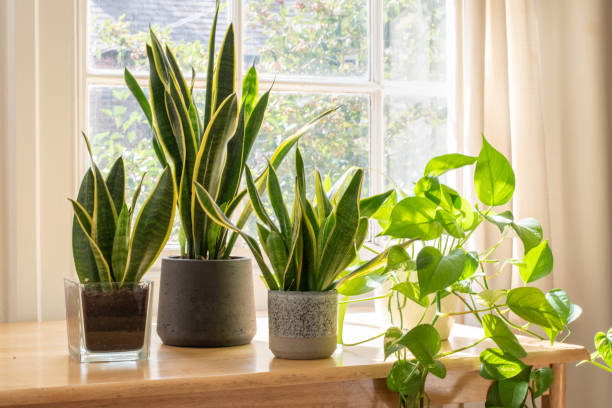
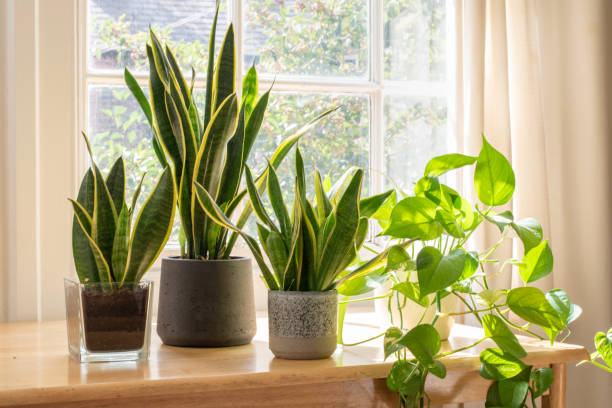
Indoor houseplants next to a window in a beautifully designed home or flat interior.
Indoor plants make your home fresh, beautiful, and peaceful. If you are new to plant care, you might feel confused about watering, sunlight, or soil. Don’t worry — caring for indoor plants is easier than you think.
This simple guide will help beginners learn how to grow healthy indoor plants at home.
This article provides essential tips on indoor plant care for beginners.
1. Start With Easy Indoor Plants
If you are a beginner, always start with low-maintenance plants. These plants survive well in normal home conditions and don’t need special care.
Some good beginner plants are:
- Money Plant
- Snake Plant
- Spider Plant
- ZZ Plant
- Peace Lily
These plants grow well indoors and forgive small mistakes.
2. Give Your Plants Proper Light
Most indoor plants like bright but indirect sunlight.
Place your plants near a window where soft daylight comes in. Avoid strong direct sunlight unless the plant needs it, because harsh sun can burn leaves.
If your room is dark, choose plants that grow in low light, like snake plant or ZZ plant.
3. Water Plants the Right Way
Overwatering is the most common mistake beginners make.
Here is a simple rule:
👉 Put your finger into the soil.
If the top inch feels dry, it’s time to water.
Always use pots with drainage holes so extra water can flow out. Never let plants sit in standing water.
Water slowly and allow excess water to drain.
4. Use Good Soil for Healthy Growth
Indoor plants need light and well-draining soil. Heavy garden soil is not good for pots.
Use ready-made potting mix available at plant nurseries or online. Good soil allows roots to breathe and prevents water from staying too long.
5. Keep Plant Leaves Clean
Dust on leaves blocks sunlight and slows plant growth.
Wipe leaves gently with a soft damp cloth every few weeks. Clean leaves help plants absorb light better and stay healthy.
6. Watch for Common Plant Problems
Your plants show signs when something is wrong.
Common problems include:
- Yellow leaves
- Drooping stems
- Brown spots
- Slow growth
These usually happen because of:
- Too much water
- Too little light
- Poor soil
Fixing these early can save your plant.
7. Don’t Move Plants Too Often
Plants need time to adjust to their environment. Moving them frequently can stress them.
Once you find a good place, let the plant stay there.
8. Be Patient With Your Plants
Plants grow slowly. Don’t expect fast results.
Observe your plants, learn from small mistakes, and improve your care routine. With time, you will become confident.
Common Mistakes Beginners Make with Indoor Plants
Many beginners overwater their plants, thinking more water means faster growth. In reality, most indoor plants prefer slightly dry soil between watering.
Another common mistake is placing plants in poor lighting. Always check whether your plant needs bright indirect light or low light.
Using the wrong soil can also harm plants. A well-draining potting mix is best for most houseplants.
Finally, don’t forget to clean leaves regularly. Dust blocks sunlight and slows plant growth.
With consistent care and patience, anyone can enjoy healthy indoor plants at home.
Final Thoughts
Indoor plants don’t need perfection — they need simple care and patience every single day.
Start with easy plants, give proper light, water correctly, and use good soil. Even beginners can grow beautiful indoor plants with these basic steps and a little daily attention. With time, you’ll gain confidence and enjoy healthier, greener homes.https://growplantcare.com
For more detailed houseplant lighting advice, visit the University of Minnesota Extension.https://extension.umn.edu/houseplants