
A Guide to Medicinal Plants for Wellness, In an age of synthetic solutions, a quiet revolution is blooming on windowsills and in backyards. The ancient wisdom of herbal medicine is finding a modern home, as more people discover the power of growing their own medicinal plants. These green allies offer gentle, accessible ways to support daily wellness, provide first-aid solutions, and connect us to centuries of healing tradition. This guide introduces you to versatile, easy-to-grow medicinal plants and teaches you how to harness their benefits safely and effectively.
Part 1: The Cornerstones of Home Herbalism
Before planting, it’s crucial to understand the foundations of safe and effective herbal practice.
1. The Principle of Gentle Support: Medicinal plants are not a replacement for professional medical diagnosis or treatment for serious conditions. They are best viewed as complements to a healthy lifestyle—natural tools for minor ailments, preventive wellness, and supporting the body’s own healing processes.
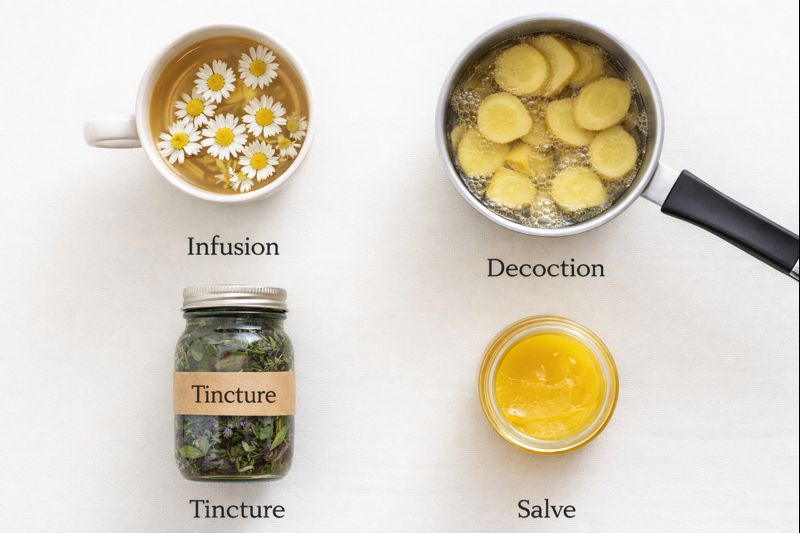
2. The Art of Preparation: Different plants require different methods to extract their beneficial compounds.
- Infusions (Teas): Perfect for delicate leaves and flowers (e.g., mint, chamomile). Pour boiling water over the plant material, cover, and steep for 5-15 minutes.
- Decoctions: Used for tougher roots, bark, or berries (e.g., ginger, echinacea). Simmer the plant material in water for 15-30 minutes.
- Tinctures: Alcohol-based extracts that have a long shelf life. Plant material is steeped in alcohol (like vodka or brandy) for several weeks.
- Poultices & Salves: For topical application. A poultice uses crushed fresh herbs directly on the skin, while a salve infuses herbs into oil, which is then blended with beeswax for a healing ointment.
3. Safety First: The Golden Rules
- Positive Identification: Be 100% certain of a plant’s identity before using it. Many medicinal plants have look-alikes that can be toxic.
- Start Low & Go Slow: Begin with small amounts to see how your body reacts.
- Research Contraindications: Some herbs interact with prescription medications or are not suitable during pregnancy, breastfeeding, or for certain health conditions. Consult a qualified healthcare provider or clinical herbalist if you have any doubts.
Part 2: Your Starter Apothecary Garden
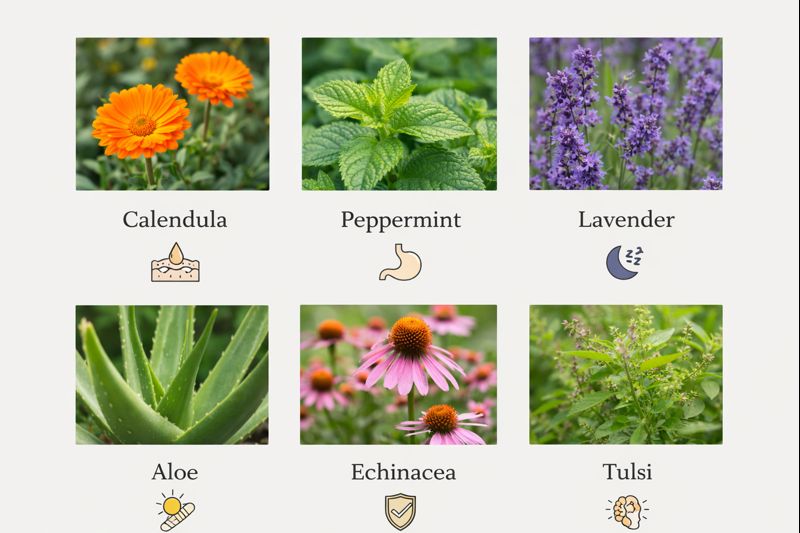
These six resilient plants form a perfect foundation for a home apothecary. All are relatively easy to grow in pots or garden beds.
1. Calendula (Calendula officinalis) – The Skin Healer
- Uses: A premier skin herb. Its vibrant orange flowers promote wound healing, soothe diaper rash, chapped skin, and minor burns. Anti-inflammatory and antimicrobial.
- How to Grow: A cheerful annual that loves full sun. Directly sow seeds in spring. It will often self-seed year after year.
- Easy Preparation: Steep dried petals in olive oil for 4-6 weeks to create a healing infused oil, which can then be made into a salve. http://growplantcare.com
2. Peppermint (Mentha × piperita) – The Soothing Digestif
- Uses: A classic for soothing upset stomachs, relieving gas and bloating, and easing tension headaches. Its menthol provides a cooling sensation.
- How to Grow: A vigorous perennial. Must be grown in a container to prevent it from taking over your entire garden. Prefers partial sun and consistent moisture.
- Easy Preparation: A simple fresh leaf infusion (tea) after meals is the most common and effective use.
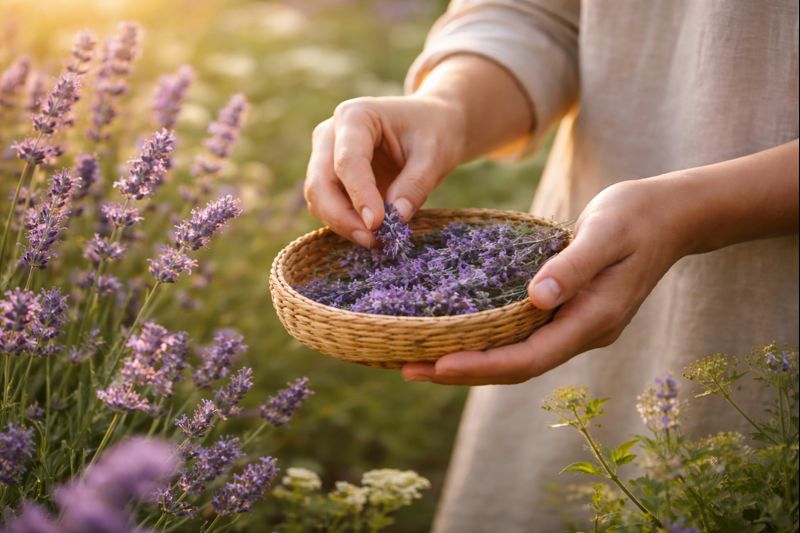
3. Lavender (Lavandula angustifolia) – The Nervous System Calm
- Uses: Renowned for its calming, sedative properties. Helps ease anxiety, promote restful sleep, and soothe tension. Also a gentle antiseptic for minor cuts.
- How to Grow: A sun-loving, drought-tolerant perennial shrub. Needs excellent drainage. Prune it back in spring.
- Easy Preparation: Use dried buds in a sleep pillow, make a tea for relaxation, or add a few drops of essential oil to a bath.
4. Aloe Vera (Aloe barbadensis miller) – The Burn Soother
- Uses: The clear gel inside its succulent leaves is a first-aid superstar for sunburns, minor kitchen burns, and scrapes. Cooling, moisturizing, and promotes tissue repair.
- How to Grow: A tender succulent best grown in pots indoors (in bright light) or outdoors in summer. Needs excellent drainage and infrequent watering.
- Easy Preparation: Use fresh. Snap off a lower leaf, slice it open, and scoop the gel directly onto the skin. Store unused leaf in the fridge.
5. Echinacea (Echinacea purpurea) – The Immune Supporter
- Uses: Widely used at the first sign of a cold or flu to support the immune system and potentially shorten the duration of illness.
- How to Grow: A striking perennial with purple, cone-shaped flowers. Loves full sun and is drought-tolerant once established.
- Easy Preparation: The roots and aerial parts are used. A simple decoction of the dried root is a traditional remedy at winter’s first sniffle.
6. Tulsi / Holy Basil (Ocimum tenuiflorum) – The Adaptogenic Ally
- Uses: A revered “adaptogen” in Ayurveda, meaning it helps the body adapt to stress. Supports resilience, mental clarity, and overall balance. Also a gentle immune tonic.
- How to Grow: A fragrant annual basil cousin. Grow in full sun in a pot with rich soil and regular watering.
- Easy Preparation: Enjoy the fresh or dried leaves as a daily, aromatic tea to combat daily stress.
Part 3: Cultivating Connection & Mindfulness
Growing medicinal plants transforms gardening from a hobby into a purposeful ritual. It fosters a deeper connection to the cycles of nature and your own well-being. The act of nurturing the plant, mindfully harvesting its leaves or flowers, and carefully preparing a simple tea creates a powerful pause in a hectic day. This mindful practice is, in itself, a form of medicine. It teaches patience, observation, and gratitude for the subtle yet profound ways nature supports our health.
Starting Your Journey:
Begin with just one or two plants that address a need you have—perhaps Peppermint for digestion or Lavender for sleep. Learn everything you can about that one plant: how it grows, how it’s used, its history. Grow a relationship with it. This slow, intentional approach is far more valuable than trying to cultivate a full pharmacy all at once.
Conclusion
Creating a home apothecary is an empowering step toward self-reliance and holistic wellness. These plants are more than just remedies; they are living companions that beautify your space, engage your senses, and root you in a timeless tradition of healing. By starting with easy-to-grow varieties, respecting their power through safe practice, and engaging in the process mindfully, you unlock not just the healing properties of the plants, but also the nurturing, restorative power of tending to life itself. Your journey to a greener, gentler kind of wellness begins with a single seed.