
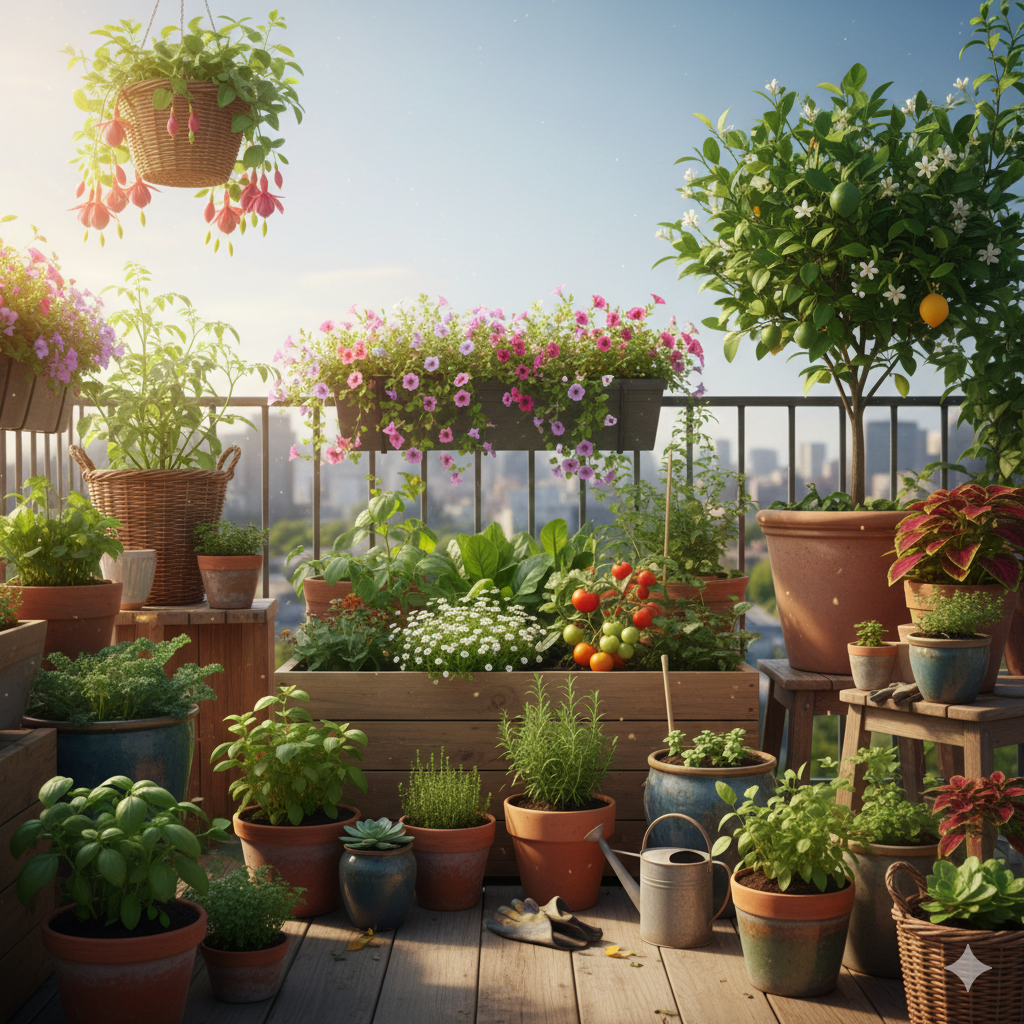
Create your own green oasis at home. Our easy guides help beginners grow thriving balcony gardens in any small space beautifully.
Dreaming of fresh herbs at your fingertips, a splash of color by your window, or a mini jungle on your balcony? You don’t need a sprawling garden or a green thumb to make it happen. Urban gardening is a thriving, joyful hobby that turns any living space—from a sunny windowsill to a compact balcony—into a personal oasis. Your Pocket-Sized Paradise:
Easy Growing Guides for Homes and Balconies. This guide is your first step. We’ll explore foolproof plant picks, essential growing principles, and simple systems to cultivate your own slice of nature, no matter your square footage.
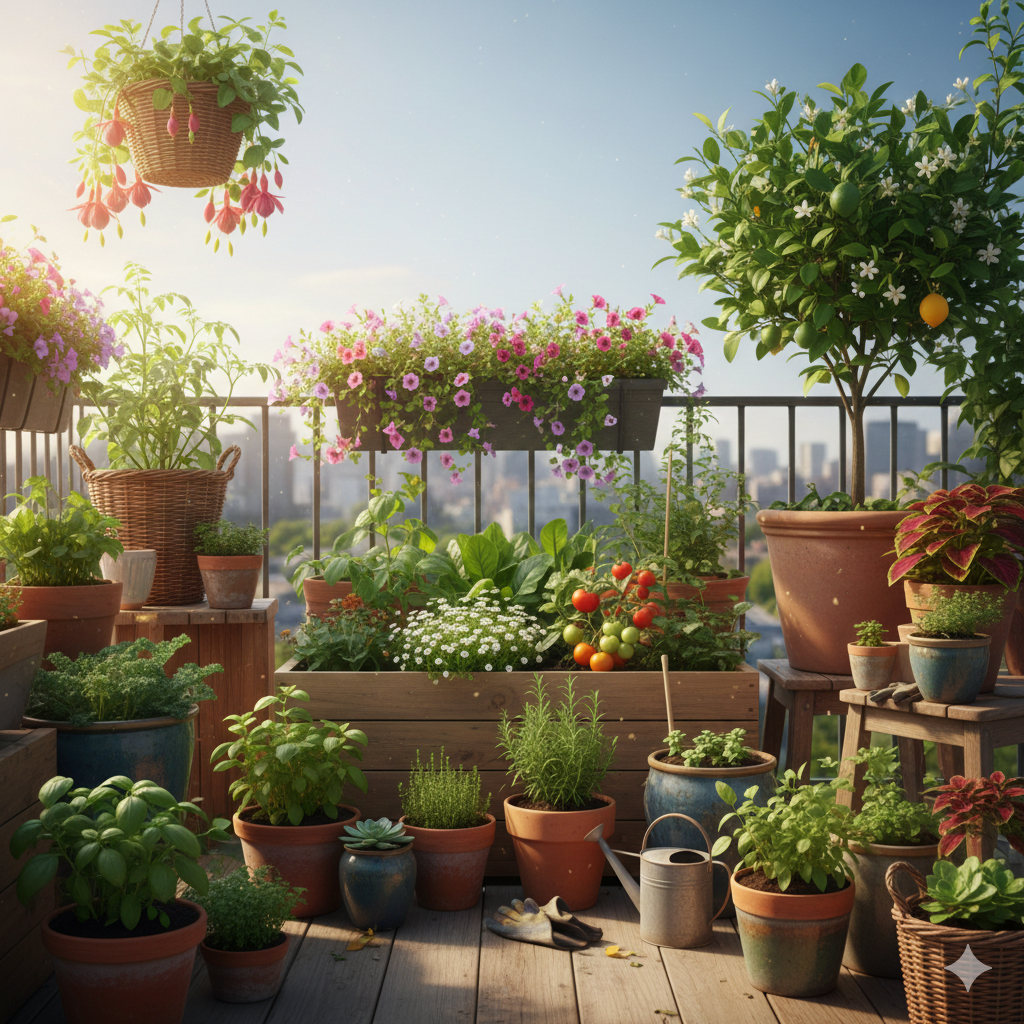
Part 1: Laying the Foundation – The Non-Negotiables
Success in small-space gardening hinges on understanding three core elements: light, water, and home.
1. The Light Audit: Know Your Space
Plants live on light. Before buying a single seedling, spend a day observing the light in your potential plant spots.
- Bright & Direct (4-6+ hours of direct sun): South or West-facing balconies/windows. This is prime real estate for fruiting plants and sun-worshippers.
- Bright & Indirect (Bright light but no harsh sun rays): East-facing spots or a few feet back from a South/West window. The sweet spot for most popular foliage houseplants.
- Low Light (Shady, no direct sun): North-facing areas or rooms far from windows. Don’t despair—many resilient plants thrive here.
Pro Tip: Use your phone’s compass app to identify your window’s direction. This simple step prevents mismatching a shade-loving fern with a blazing hot ledge.
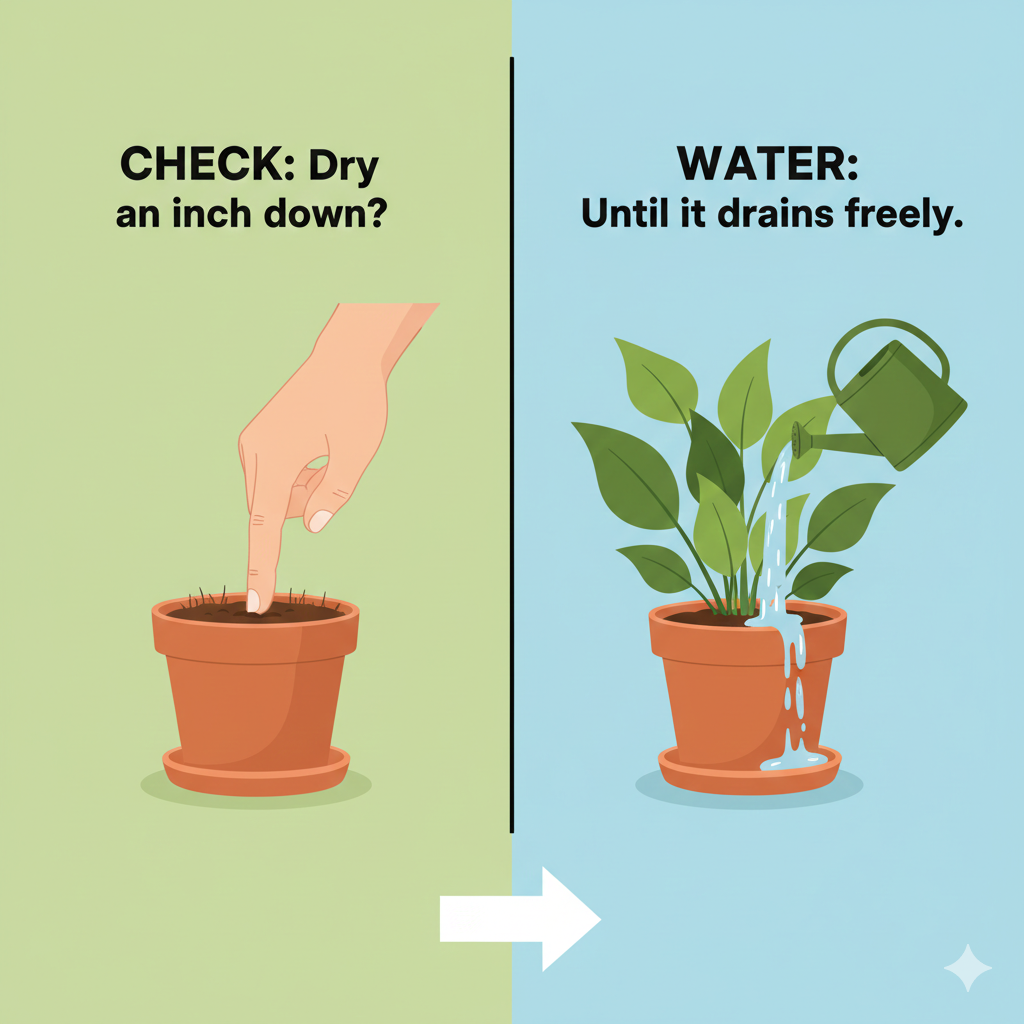
2. Water Wisdom: The “Soak and Dry” Method
Overwatering is the #1 killer of container plants. Ditch the daily sprinkle. Instead, adopt this fail-safe routine:
- Step 1: Check the soil. Stick your finger about an inch deep. For most plants, if it feels dry, it’s time.
- Step 2: Water thoroughly. Pour water evenly over the soil until you see it run freely out of the drainage holes. This ensures the entire root ball gets moisture.
- Step 3: Let it drain completely. Never let your plant sit in a saucer full of water. Empty it after 15 minutes.
This cycle encourages strong, deep roots and prevents the dreaded root rot.
3. The Right Home: Pots and Potting Mix
Your plant’s pot is its universe. Choose wisely.
- Drainage is Law: Every container must have drainage holes. No exceptions.
- Size Matters: Start with a pot only 1-2 inches wider than the plant’s root ball. A pot too large holds excess wet soil, leading to problems.
- Soil is Key: Never use garden soil in containers. It compacts and drains poorly. Always use a high-quality, fast-draining potting mix. For succulents or herbs, look for a cactus/succulent mix or add perlite to regular potting mix for extra drainage.
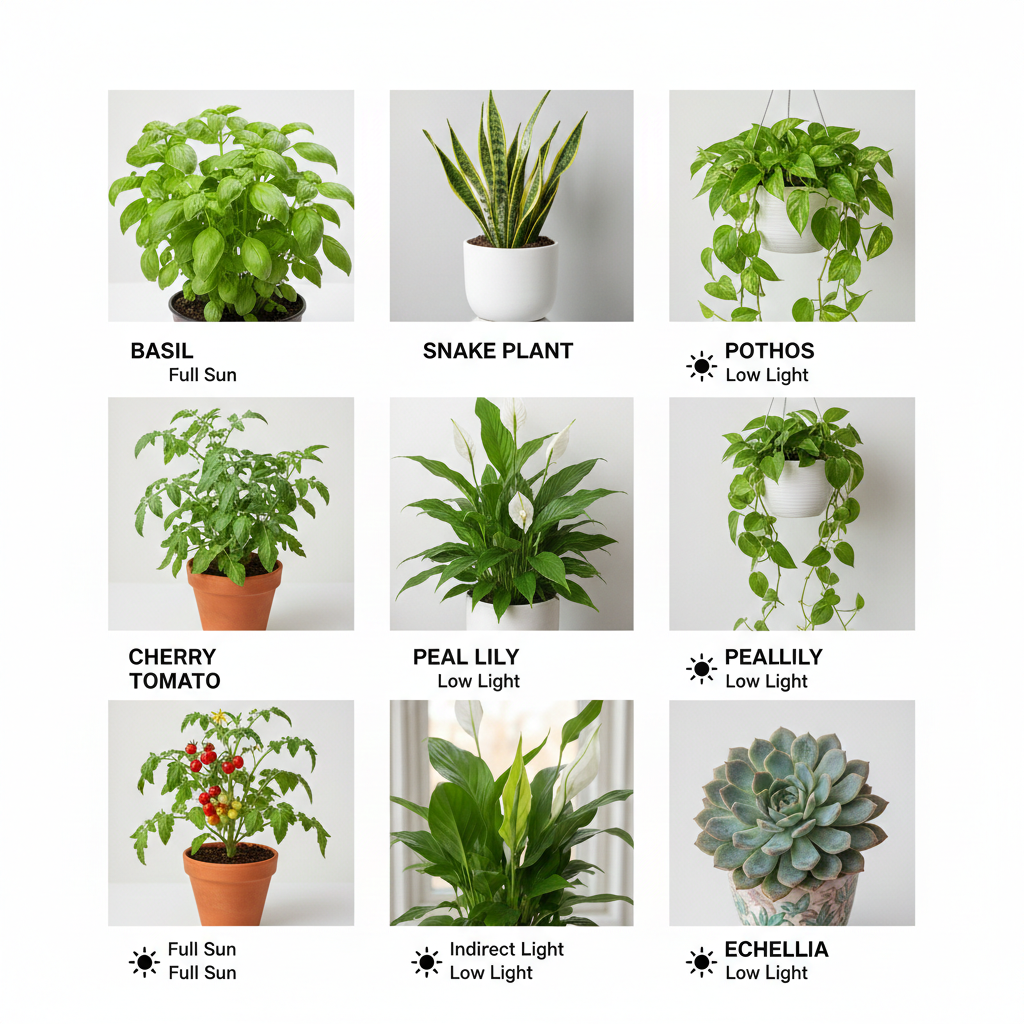
Part 2: The All-Star Plant Lineup: Easy Wins for Every Space
Here are virtually indestructible plants categorized by their light needs.
For Your Sunny Balcony or Window (Bright & Direct Light):
- Herbs (Basil, Rosemary, Thyme, Mint): The ultimate beginner’s reward. They grow fast, smell divine, and transform your cooking. Plant in individual pots (mint is invasive and needs its own).
- Cherry Tomatoes & Peppers (Dwarf Varieties): Look for ‘Tumbling Tom’ or ‘Patio Choice’ tomatoes. The thrill of homegrown food is unmatched!
- Succulents (Echeveria, Jade Plant): These are the camels of the plant world. They thrive on sunshine and neglect, perfect for the forgetful waterer.
- https://www.thespruce.com
For Your Bright Living Room (Bright & Indirect Light):
- Snake Plant (Sansevieria): The undisputed champion of indestructibility. Tolerates low light, drought, and practically thrives on benign neglect.
- ZZ Plant (Zamioculcas zamiifolia): Another ultra-resilient option with glossy, dark green leaves. It’s slow-growing and incredibly forgiving.
- Spider Plant (Chlorophytum comosum): A prolific grower that produces adorable “babies” on long runners. It’s non-toxic and fantastic for hanging baskets.
For Your Lower-Light Corners (Low Light):
- Pothos (Epipremnum aureum): The versatile vine. It can trail from a shelf, climb a moss pole, and tolerates low light incredibly well. Its variegated leaves brighten any corner.
- Peace Lily (Spathiphyllum): This elegant plant even tells you when it’s thirsty by drooping slightly. It produces beautiful white blooms and is excellent for filtering indoor air.
- Cast Iron Plant (Aspidistra elatior): True to its name, it’s nearly indestructible. It handles low light, infrequent watering, and temperature fluctuations with grace.
Part 3: From Pots to Paradise – Designing Your Space
Now, let’s put it all together creatively.
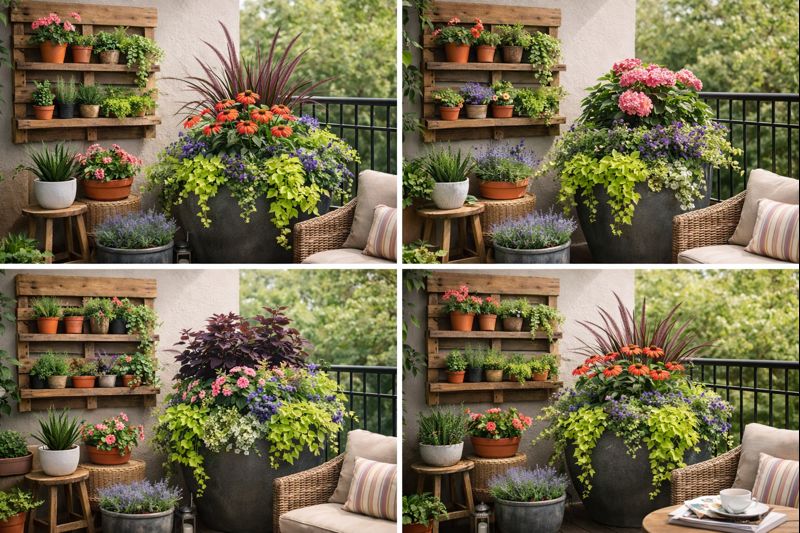
- Go Vertical: Use wall-mounted planters, shelving units, or a simple ladder shelf to create a living wall. This frees up precious floor space.
- Layer Your Heights: Combine tall plants (like a fiddle-leaf fig), medium shrubs (like a pepper plant), and trailing vines (like ivy or sweet potato vine) for a lush, professional look.
- The Balcony “Room” Divide: Use a tall planter box with bamboo or climbing plants (like star jasmine on a trellis) to create a natural privacy screen from neighbors.
- The Thriller, Filler, Spiller Formula: For any container, choose: one tall, striking plant (Thriller, e.g., ornamental grass), several mid-height bushy plants (Filler, e.g., begonias), and one trailing plant to soften the edges (Spiller, e.g., creeping jenny).
Conclusion: Start Small, Grow Happy
The journey to a greener home begins with a single plant. Don’t try to build a jungle in a weekend. Start with one resilient snake plant or a pot of basil. Learn its rhythm, celebrate its new leaf, and learn from any missteps. Gardening in small spaces isn’t about perfection; it’s about the simple, daily joy of nurturing life. It’s about connecting with nature from your couch and harvesting your own mint for evening tea. So, pick your spot, pick your plant, and begin. Your pocket-sized paradise is waiting.