
Understanding indoor plant diseases symptoms, causes and easy solutions, it helps prevent long-term damage to houseplants. Identify common plant diseases with clear symptoms, understand the root causes, and apply simple, effective solutions to revive and protect your houseplants. For many, the journey of caring for indoor plants begins with a vision of lush, vibrant greenery—a tranquil oasis within the home. However, even the most attentive plant parent can encounter the unsettling sight of yellowing leaves, strange spots, or sudden wilting. These are the distress signals of the plant world, indicating disease or cultural problems. Indoor plant diseases are common problems that cause yellow leaves, spots, and wilting, but simple care can fix most issues. The good news is that with careful observation and timely intervention, most issues can be diagnosed and resolved, allowing your plants to return to their former glory. This guide will walk you through identifying common indoor plant ailments and provide practical, effective solutions.
Section 1: Indoor Plant Diseases Diagnosis – Learning the Language of Leaves
Before treatment comes diagnosis. Plants communicate their discomfort through changes in their foliage, stems, and growth patterns. The key is to observe carefully and look for patterns.
1. The Case of the Yellow Leaves:
Yellowing leaves, or chlorosis, are one of the most common complaints. The pattern of yellowing holds the clue:
- Uniform Yellowing, Starting with Older Leaves: This often points to a nutrient deficiency, typically nitrogen, or simply the natural senescence of old foliage.
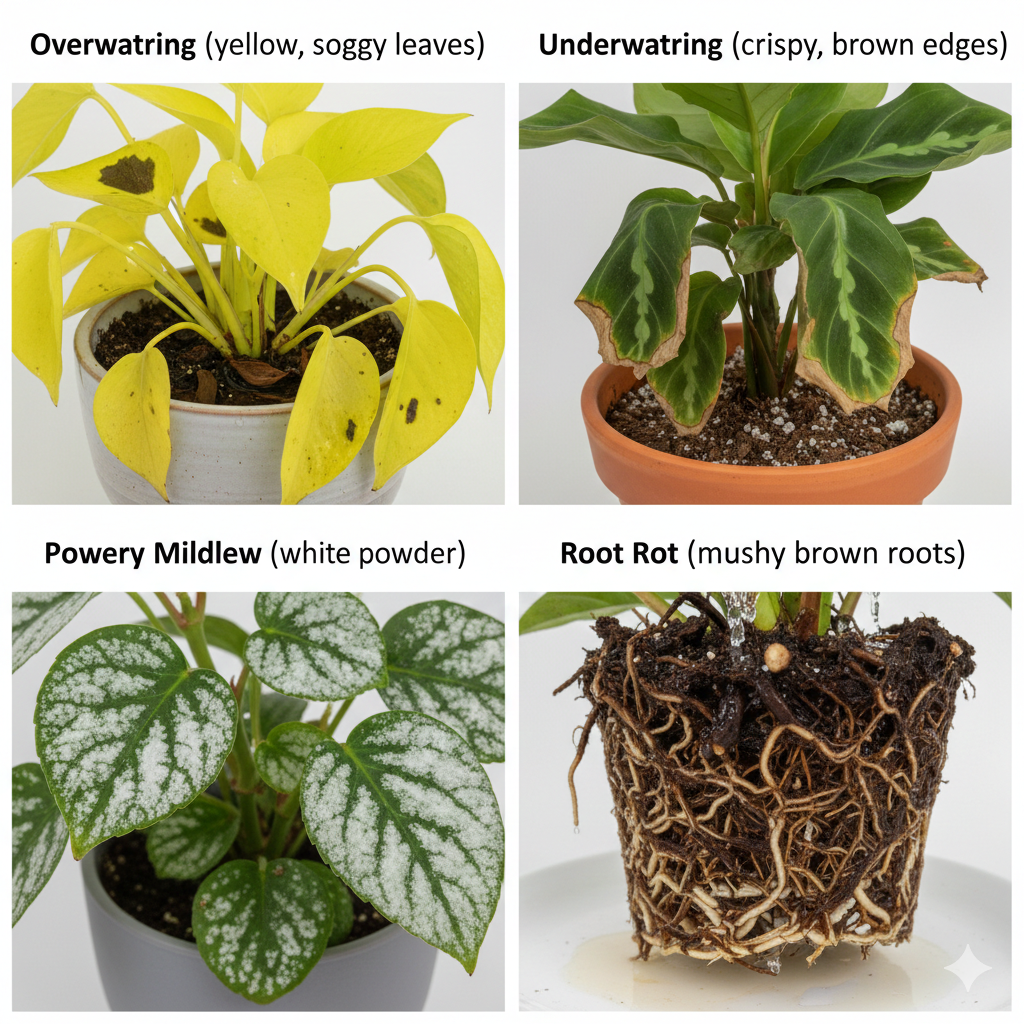
- Yellowing with Wet, Soggy Soil: The classic sign of overwatering and potential root rot. The roots are suffocating.
- Yellowing with Dry, Crispy Edges: This usually indicates underwatering, low humidity, or a buildup of salts and minerals from tap water or fertilizer.
2. The Mystery of Spots and Patches:
Discolored spots are often a sign of disease or environmental stress.
- Brown, Crispy Tips or Edges: Typically caused by low humidity, chemical burn from fertilizer, or inconsistent watering.
- Black/Brown Soft, Mushy Spots: Often a sign of fungal or bacterial infection, frequently exacerbated by overwatering and poor air circulation.
- White, Powdery Coating: The unmistakable signature of Powdery Mildew, a fungal disease that thrives in stagnant, humid air. https://www.almanac.com
3. The Problem of Wilting and Drooping:
A wilted plant can be deceptive.
- Wilting with Dry Soil: A clear cry for water (underwatering).
- Wilting with Wet Soil: A more serious issue—likely root rot from overwatering, where damaged roots can no longer absorb moisture.
Section 2: Treatment – The Road to Recovery
Once you’ve identified the likely problem, you can take targeted action.
For Overwatering and Root Rot:
- Stop Watering Immediately. Let the soil dry out significantly.
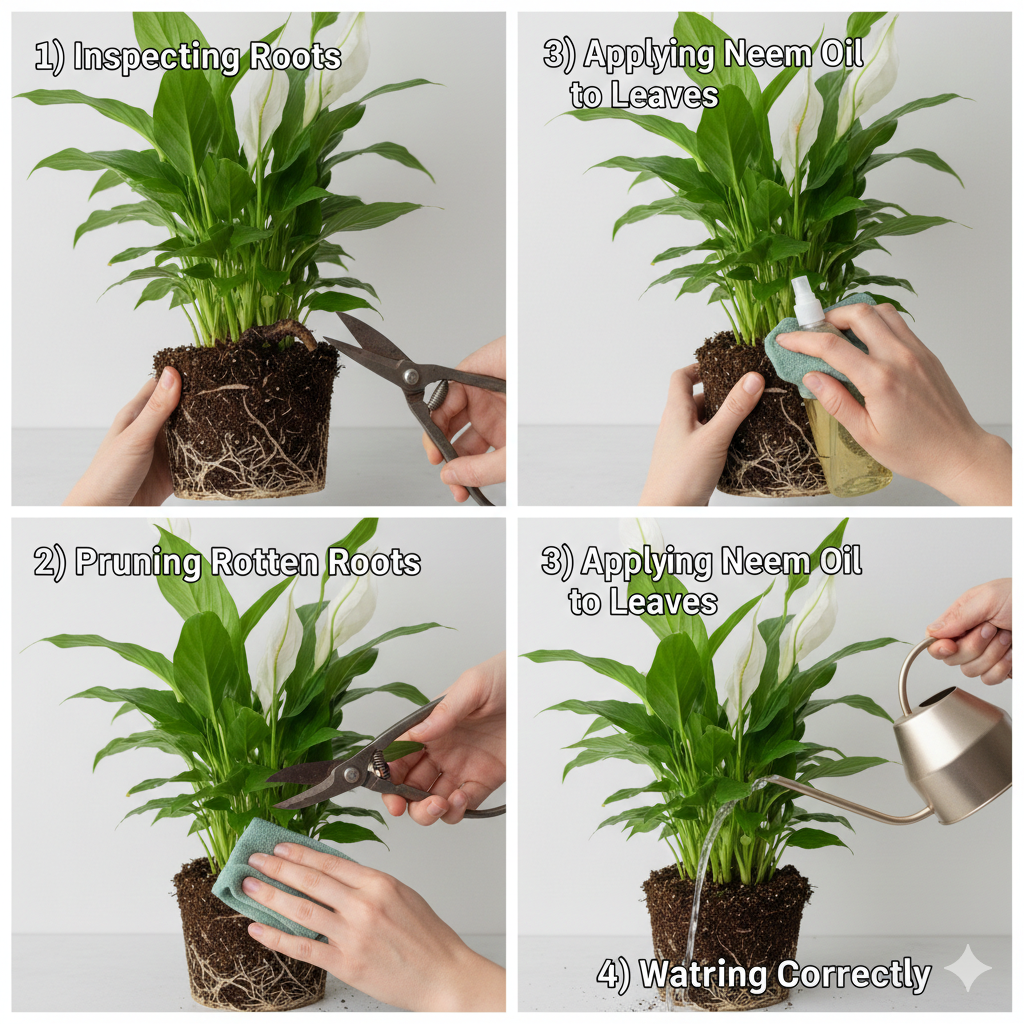
- Inspect the Roots. Gently remove the plant from its pot. Healthy roots are firm and white. Rotten roots are mushy, brown, and may smell foul.
- Perform Surgery. Using sterilized scissors, prune away all affected roots and any heavily damaged foliage.
- Repot. Place the plant in a clean pot with fresh, well-draining potting mix. Ensure the pot has adequate drainage holes.
- Adjust Your Routine. Water only when the top 1-2 inches of soil are dry. Always empty the drainage saucer after watering.
For Fungal Issues (Leaf Spot, Powdery Mildew):
- Isolate the Plant. Prevent the disease from spreading to your other plants.
- Prune Affected Areas. Remove badly spotted or mildewed leaves with sterilized tools. Dispose of them in the trash, not the compost.
- Improve Airflow. Increase circulation around the plant with a gentle fan.
- Apply Treatment. For mild cases, a homemade solution of 1 teaspoon baking soda, 1 drop of dish soap, and 1 liter of water sprayed on leaves can help. For persistent cases, use a commercial fungicide like neem oil or a copper-based spray, following label instructions carefully.
- Avoid Wet Leaves. Water at the soil level, not from above, and do so in the morning so leaves dry quickly.
For Pest Infestations (Aphids, Mealybugs, Spider Mites):
- Isolate Immediately. Pests spread fast.
- Manual Removal. Wipe leaves with a damp cloth or use a strong spray of water (shower) to dislodge pests.
- Use Insecticidal Soap or Neem Oil. These are effective, plant-safe treatments. Spray thoroughly, covering the undersides of leaves where pests hide. Repeat weekly until the infestation is gone.
- Systemic Prevention. For recurring problems, consider a systemic houseplant insecticide as a last resort.
Section 3: Prevention – The Best Medicine
Creating an environment where diseases struggle to take hold is the ultimate goal.https://growplantcare.com
- Perfect Your Watering: This is the #1 rule. Learn the specific needs of each plant. When in doubt, it’s safer to err on the side of slightly dry.
- Prioritize Drainage: Always use pots with drainage holes and a well-aerated potting mix. Add perlite or orchid bark to standard soil to improve drainage.
- Ensure Proper Light: A plant placed in incorrect light becomes stressed and vulnerable. Research your plant’s specific needs (low, medium, bright indirect).
- Promote Air Circulation: Stagnant air encourages fungal growth. A gentle breeze from an open window or a fan on low helps immensely.
- Quarantine New Plants: Isolate new additions for 2-3 weeks to ensure they aren’t harboring hidden pests or diseases.
- Keep It Clean: Regularly dust leaves (which hinders photosynthesis) and remove dead or dying foliage from the soil surface to eliminate hiding spots for pests and pathogens.
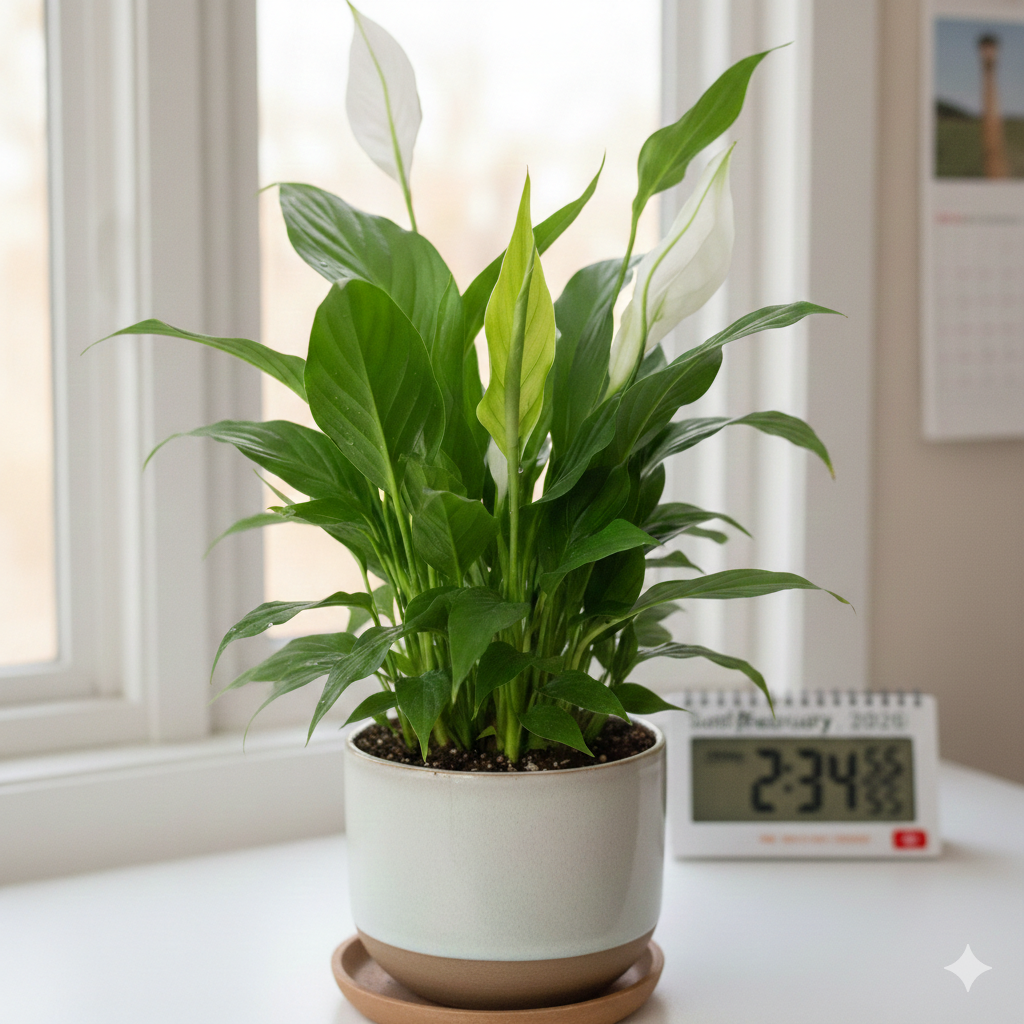
Conclusion Encountering plant problems is not a sign of failure; it’s an integral part of the learning process. By tuning in to your plant’s signals, acting promptly with the right solution, and focusing on preventive care, you build resilience in your indoor garden. Remember, plant care is a partnership. Your attentive care provides the foundation, and in return, your plants offer enduring beauty and a profound sense of calm. So, equip yourself with knowledge, observe closely, and don’t be afraid to get your hands a little dirty—your green companions will thank you for it.